
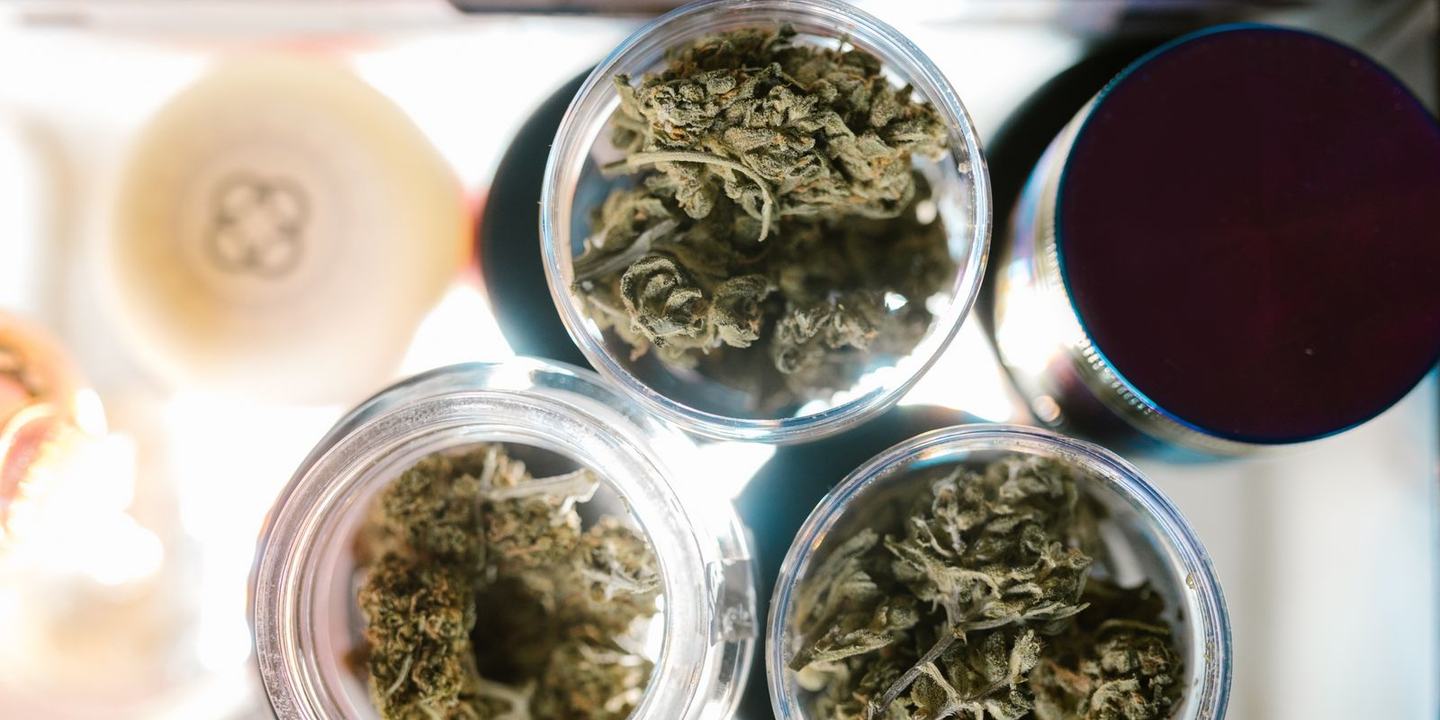
A medical marijuana menu may show a product name and a short description, but it cannot replace the information on a regulated package. At TreeHouse Collective, we want patients to understand what they can verify before making decisions about medical cannabis. Online descriptions may change or omit details that matter on the final label. Here is how to check the identity of an item, read its displayed cannabinoid information, and distinguish Oregon's medical-program rules from general retail information.
A Menu Is a Snapshot, Not a Product Label
A menu entry is a quick way to identify a category or product listing. It does not establish that the same item is currently available, that its label is unchanged, or that an online description contains all required details.
Treat the menu as a question starter. Check the exact product name and type against the physical package when that information is available through an authorized source. If a description uses general language about effects, do not treat it as a diagnosis or a promise of treatment. A website's summary should never be the only basis for a medical decision. We would rather make the limits of a listing clear than invite guesses about its meaning.
Check Identity, THC/CBD and Required Warnings
Oregon's product-label requirements address information that a brief menu may omit. The package label identifies the product, states the net quantity, and displays required symbols and warnings. Depending on the item and packaging format, relevant details also include its unique identification number and the stated THC and CBD concentrations. Read the label as a whole; a single number separated from its units or product type has little context.
THC is tetrahydrocannabinol and CBD is cannabidiol. The amounts shown on labels are product information, not a way to predict how a particular person will respond. Product-specific labeling requirements differ, and some information may appear on an outer package or an expanded label panel. Look for legible warnings rather than assuming the brief listing includes them.
If the package identity, quantity, or cannabinoid figures do not match the information you expected, ask for clarification before relying on the description. Do not infer a batch's test result from another item with a similar name. Labels help identify the regulated product; they do not establish an individual medical benefit.
Where the OMMP Rules Fit In
The Oregon Medical Marijuana Program rules govern patient registration and related medical-program requirements. OMMP is administered by the Oregon Health Authority. Its patient guidance addresses eligibility, registration documents, and access to medical dispensaries. Those requirements should not be confused with general adult-use retail descriptions, even when some terms look familiar.
People seeking current patient status information should confirm it through the state rather than relying on an old page, a past menu, or a verbal assumption about their eligibility. Oregon's guidance describes the role of a qualifying medical condition and an attending provider's recommendation in the application process. Program details can change. None of this establishes that a particular storefront is operating today or that a particular product is available.
Questions Worth Asking Before a Visit
A useful question is, "Can I verify the full information from the final package label?" Ask whether the product name, category, and stated cannabinoid amounts correspond to the exact item being described. If an online listing is dated, ask whether its details are still current. For patient status, check which documents or registration information the official OMMP guidance requires.
Keep medical questions separate from inventory questions. A clinician familiar with your health should address treatment concerns. Do not rely on a menu for dosing instructions, safety claims, or advice about a specific condition.